


Finding Stability in a World That’s Moving So Fast
These days, it can feel like the world is spinning faster and faster: technological advancements, global events, workplace pressures and social expectations are all accelerating at a pace that can be hard to keep up with. In the middle of this rapid movement, how do we stay grounded? How can we invite stability when everything around us seems to be in constant motion? Let’s explore this together…
The speed of life: a modern reality
Technology – especially AI – is evolving at lightning speed. New tools emerge daily, often with the promise of making life easier or more efficient. And while this progress can be exciting, it also brings a subtle pressure: to learn more, do more, adapt faster.
Add to this the rapid cycle of political shifts, economic change and social media newsfeeds, and we’re left with a world that rarely pauses. Even in our personal lives, there’s often an unspoken expectation to respond instantly – to emails, messages or calls. Slowing down can feel indulgent, even irresponsible.
This constant pace can take a toll on our mental health, leaving us overwhelmed, scattered or disconnected. When the nervous system is always in a mild state of alert, it’s difficult to feel safe, centred or settled.
What stability really means
Stability doesn’t mean resisting change or freezing the world in place. It’s not about having perfect control or certainty. Instead, it’s about finding an internal steadiness that allows us to stay calm and responsive, even when life is busy around us. Stability is a basic need.
So how do we cultivate that kind of steadiness?
8 ways to invite stability in a fast-moving world
- Spend time in nature
Nature runs on a different rhythm. The slow unfolding of a flower, the steady rise and fall of the tides, the patient growth of trees… these all remind us that life doesn’t have to rush. Even a short walk outdoors can bring your system back into balance. - Use your breath
Try this: inhale for a count of 4, hold for 4, exhale for 6. Do this (or any other breathing technique) for a few rounds. It’s a simple way to regulate your nervous system and return to the present moment. - Practise digital boundaries
Not everything needs an immediate reply. Set limits on screen time, or schedule moments in your day to disconnect. Let people know your rhythm – and honour it yourself. - Create small, daily rituals
A morning stretch, an afternoon cup of tea, lighting a candle in the evening… tiny acts of ritual create pockets of predictability and comfort in an unpredictable world. - Stay informed, but gently
Limit your news intake to certain times of day or trusted sources. Consuming constant updates can keep your nervous system on high alert. - Journal or reflect regularly
Making space to notice your thoughts and feelings helps you stay connected to your inner world, even when the outer world is chaotic. - Connect with others – whether online or in person
A conversation over coffee. A shared laugh. Being truly present with another human being grounds us in the moment and nourishes our sense of connection. - Enjoy a digital detox
Take regular breaks from screens and information overload. Even short periods – like one screen-free evening a week or a tech-free Sunday – can have a powerful effect on your nervous system. A digital detox creates space to reconnect, free from the constant pull of notifications and news.
Yes, the world is changing quickly. But there are still ways to feel rooted, calm and in touch with what matters. Stability isn’t something we wait for; it can be something we gently create, one breath, one pause, one choice at a time.
Which of these practices speaks to you today? Let us know in the comments below.
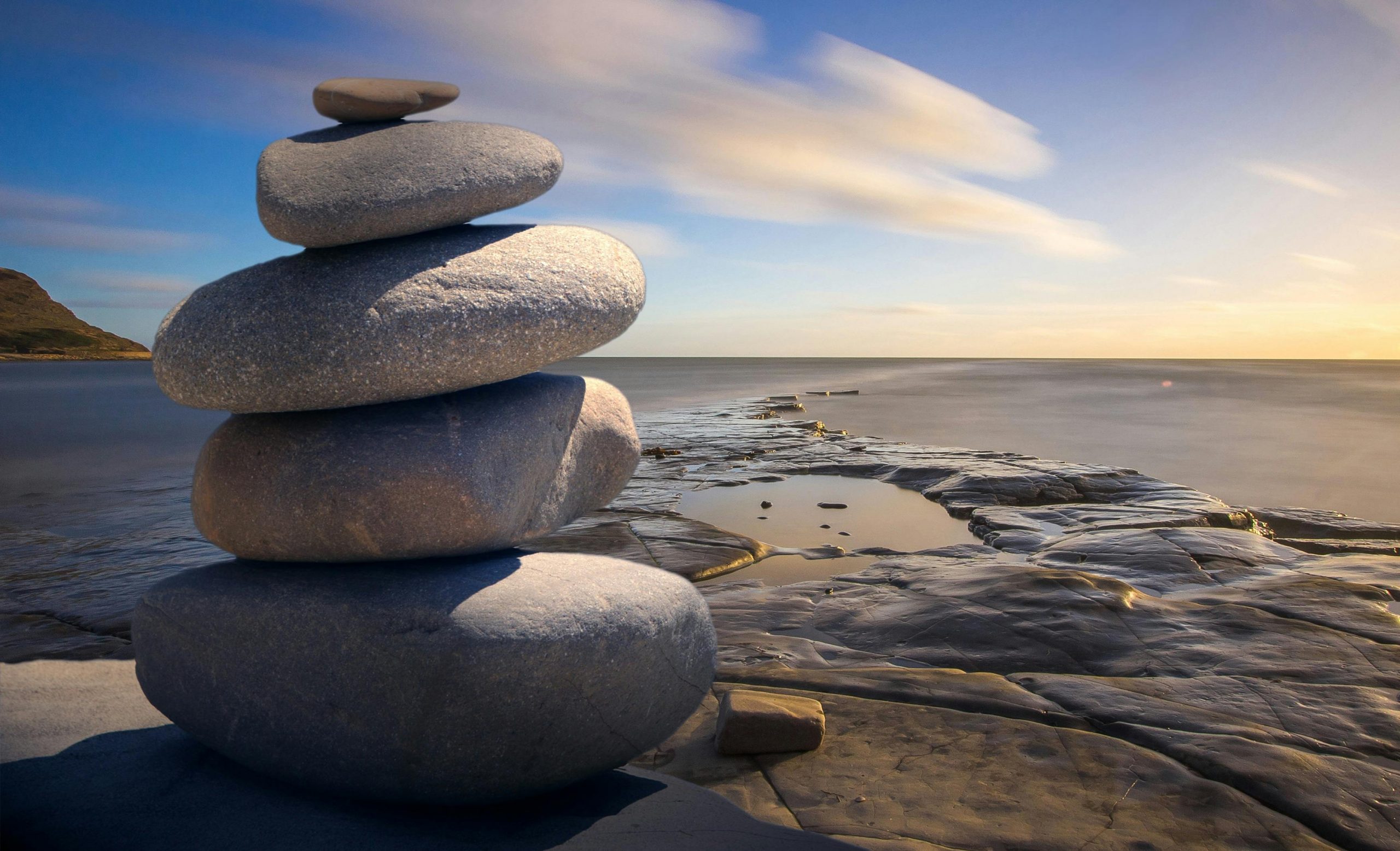
PHOTO: Pixabay/Pexels